IRP/AIT Joint Vocational Training Program
Joint venture between WRC and Askari Institute of Technology (AIT) implementing 28 vocational trades including construction, heavy machinery, IT, and hospitality. Registered with Skill Development Council KP.
About This Project
Through rigorous baseline assessments and active multi-stakeholder participation, WRC coordinates with local health departments, community councils, and institutional partners to deploy specialized personnel, equipment, and essential resources. The project places strong emphasis on capacity building, gender inclusion, and sustainable operational handovers to ensure long-term community empowerment beyond the direct implementation period.
To date, the project has directly impacted over 500 beneficiaries, demonstrating measurable improvements in service coverage, emergency preparedness, and socio-economic wellbeing. Transparent monitoring frameworks and routine impact evaluations are embedded at every stage to ensure maximum accountability and donor alignment.
.jpeg)
What We Aim to Achieve
Service Quality & Infrastructure Upgrading
Enhance physical facilities, supply chains, and technical infrastructure across project sites in Peshawar to meet statutory health and safety benchmarks.
Community Capacity Building & Skill Transfer
Deliver structured training workshops and technical skill modules to local practitioners, staff, and community leaders to guarantee post-project self-reliance.
Equitable Inclusion & Gender Integration
Ensure equal access for women, marginalized groups, and persons with disabilities through tailored outreach mechanisms and barrier-free facility design.
Systemic Monitoring & Accountability Frameworks
Establish real-time data collection, transparent reporting tools, and regular third-party audits to maintain high governance standards and donor compliance.
Who Benefits
Our Journey
Inception & Needs Assessment
Conducted comprehensive baseline surveys, signed stakeholder MOUs, and secured institutional approvals across targeted locations.
Resource Mobilization & Infrastructure Setup
Procured certified materials, deployed field operational units, and initiated core facility upgrades in Peshawar.
Full-scale Implementation & Capacity Building
Executed specialized training courses, community distribution drives, and technical assistance sessions reaching primary beneficiary groups.
Impact Evaluation & Sustainability Handover
Completed final monitoring audits, documented key performance indicators, and established community maintenance committees.
Visual Documentation
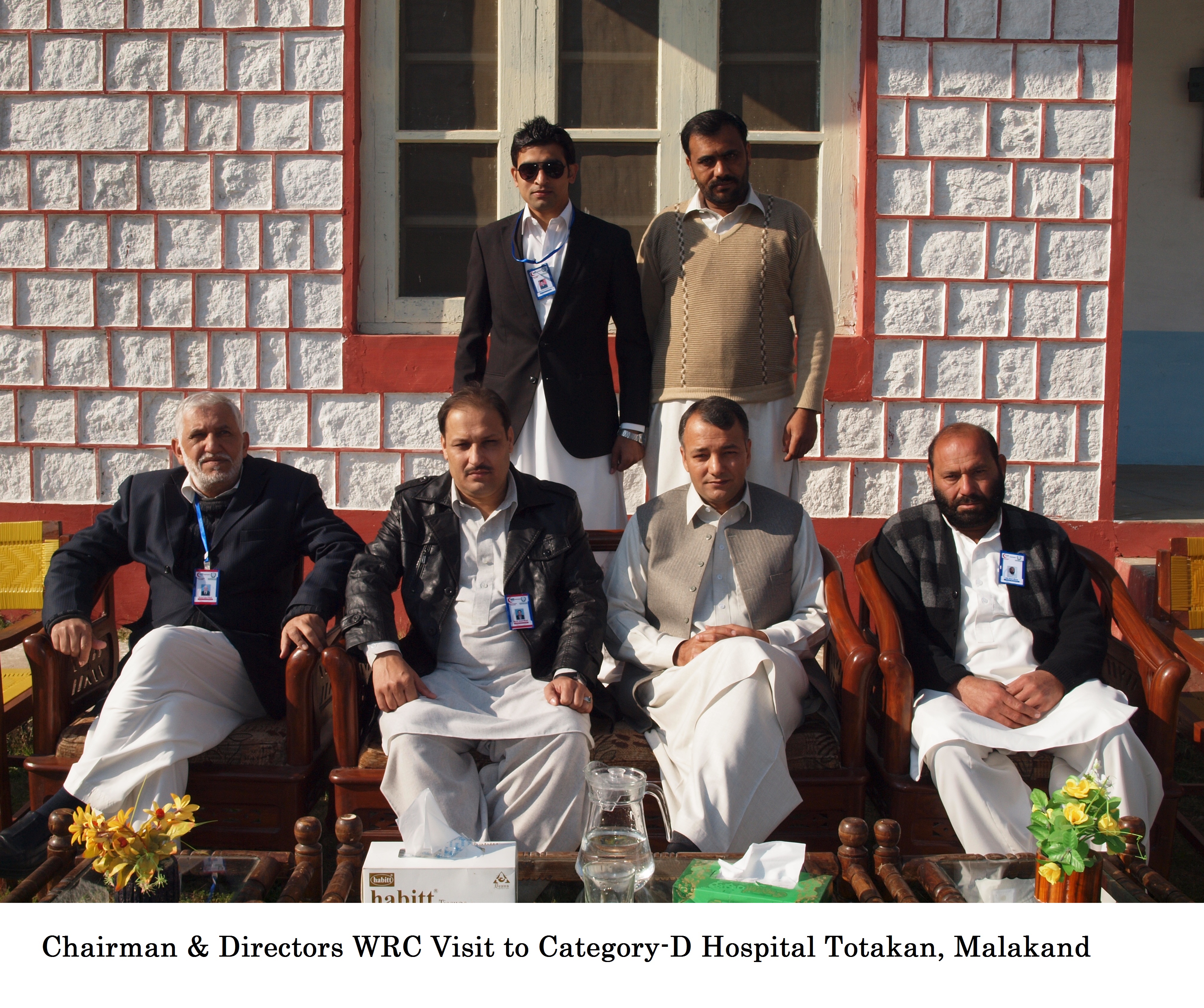
Field execution and community briefing session in Peshawar
WRC team inspecting project infrastructure and operational standards
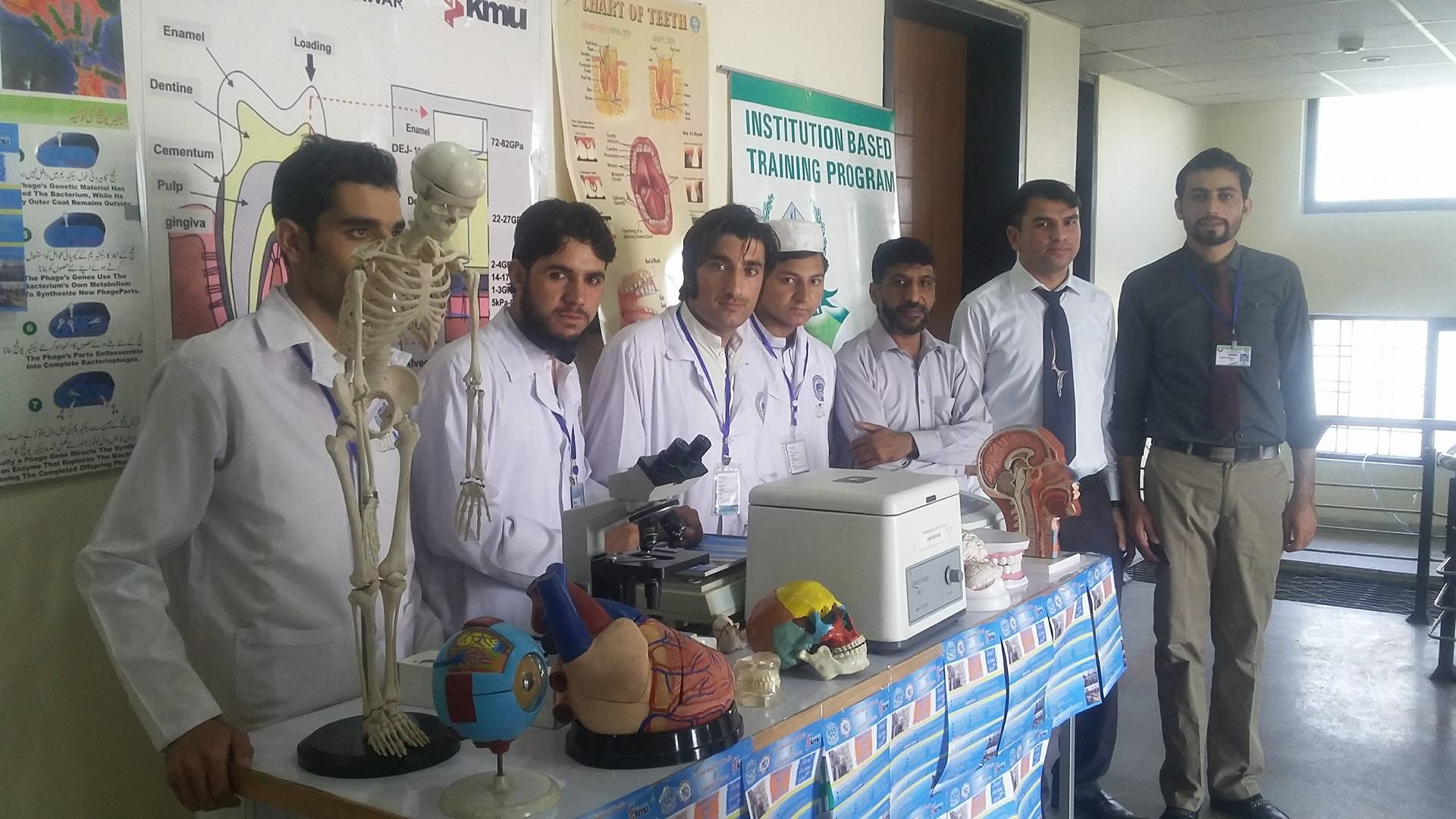
Distribution of essential logistics and training kits to participants
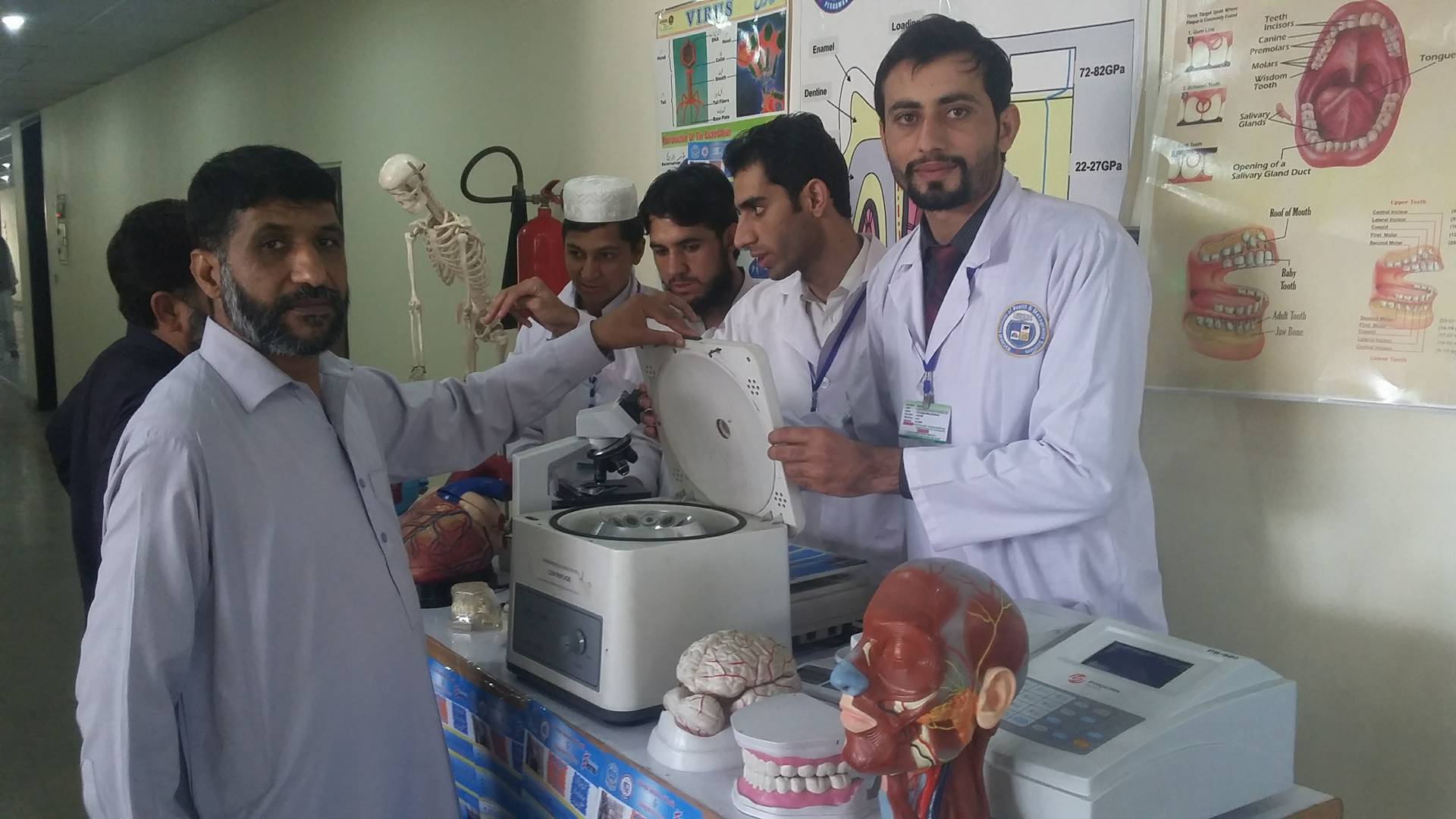
Interactive technical workshop with local stakeholders and partners
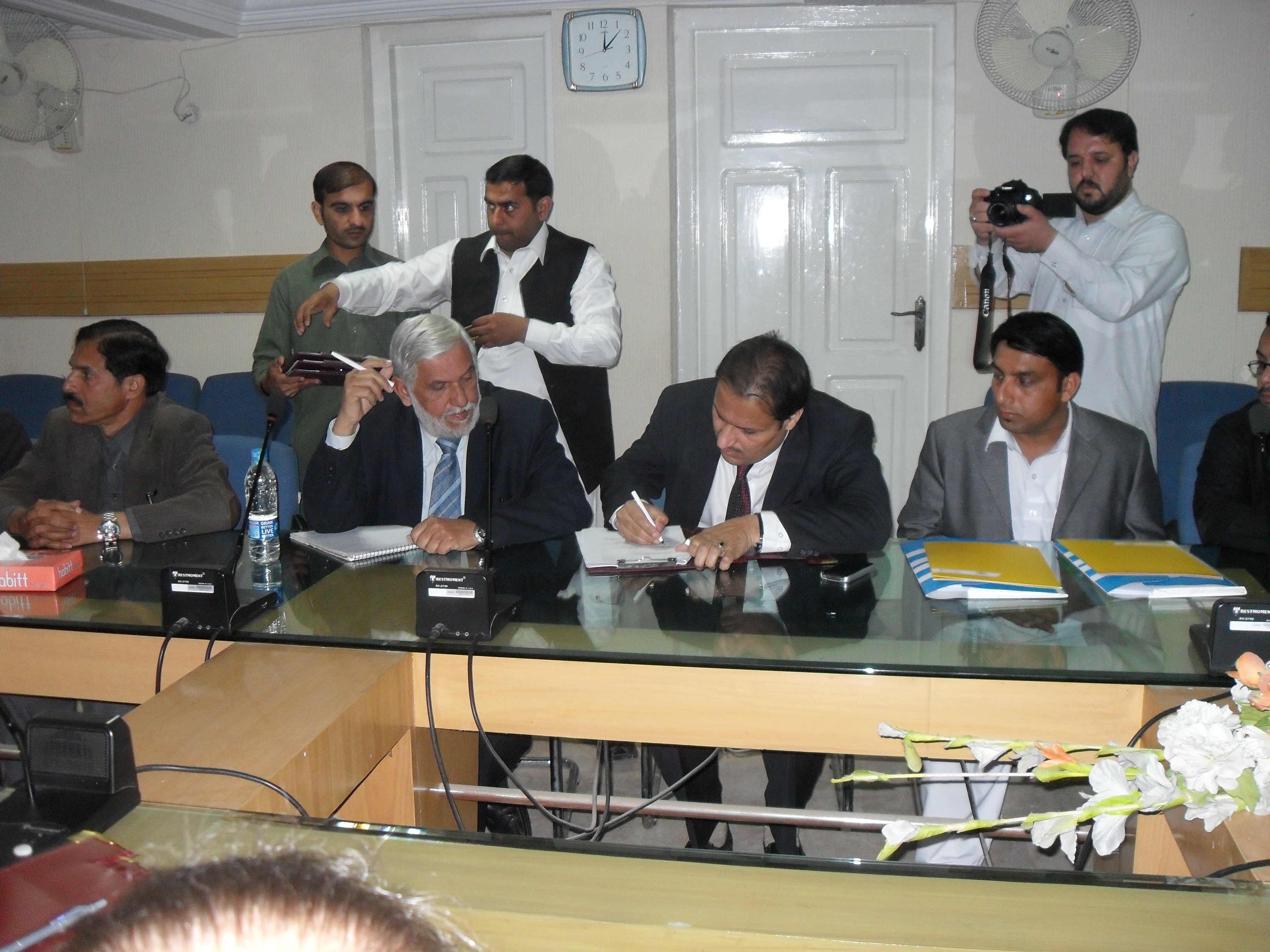
On-site quality audit and beneficiary feedback collection
Click any image to view in full size
Have Questions?
For partnership inquiries, media requests, or reporting related to this project, reach out to our coordination team.
Contact UsRelated Projects
SSTD/ILO Community Based Livelihood Recovery
Joint UN program (UNDP, ILO, FAO, UNIDO) for livelihood recovery in Mansehra and Muzaffarabad. WRC provided mobile phone repairing, professional chef, heavy machinery, and construction trades training.
SSTD/ILO Employable Skills Training - Malakand
ILO funded vocational training in heavy construction machinery (excavator) and mobile phone set repairing for youth in Malakand district.

ICMS Education Foundation - 100 Schools Program
Education Foundation program supporting 100 schools across 10 districts of Khyber Pakhtunkhwa. Activities included school infrastructure improvement, teacher training, and educational material provision.
Together, we can turn compassion into meaningful action.
Join us in creating lasting change for communities that need it most.