
Healthcare Services
Tracking access to essential healthcare, medical assistance, and community health interventions.
WRC is committed to measuring the reach, effectiveness, and outcomes of its humanitarian and development initiatives. Through systematic monitoring, programme reporting, and performance assessment, we track progress, identify areas for improvement, and strengthen accountability to our partners, donors, and the communities we serve.
Our impact indicators reflect the scale of our interventions, the services delivered, and the progress achieved across our programme sectors.
Programme Sectors
Tracking access to essential healthcare, medical assistance, and community health interventions.
Measuring participation in educational programmes, vocational training, and capacity-building initiatives.
Monitoring households reached through food assistance, emergency relief, and essential support.
Assessing access to clean water and community-based WASH interventions.
Tracking participation in vocational training, skills development, and livelihood initiatives.
Our Reach
Beneficiaries reached are reported once across our four programme sectors, so the total reflects people, not service contacts.
Beneficiaries Reached
All programme sectors combined
Health
Medical camps, clinics & emergency care
Skill Development
Vocational, technical & paramedic training
Food & Relief Distribution
Food packages, emergency kits & relief supplies
WASH
Clean water, sanitation & hygiene
Provinces Covered
Across our project areas
How We Ensure Quality
WRC recognizes that effective programme delivery requires continuous monitoring, transparent reporting, and meaningful accountability. Our monitoring and evaluation approach focuses on tracking implementation progress, assessing programme performance, identifying challenges, and documenting results.
Regular monitoring of project activities, implementation progress, timelines, and deliverables against approved project plans.
Systematic collection and review of programme information, beneficiary records, and supporting documentation to maintain reliable reporting.
Review of implementation processes and service delivery to identify gaps, strengthen operational standards, and promote continuous improvement.
Encouraging feedback from beneficiaries and communities to understand their experiences, identify concerns, and improve programme responsiveness.
Periodic assessment of programme achievements, challenges, outputs, and outcomes to support evidence-based decisions and institutional learning.
WRC aligns its humanitarian and development initiatives with the United Nations Sustainable Development Goals (SDGs). Our programmes contribute directly to SDG 3 (Good Health & Well-Being), SDG 4 (Quality Education), SDG 5 (Gender Equality), SDG 6 (Clean Water & Sanitation) and SDG 13 (Climate Action), with every beneficiary counted once across our programme sectors.
Our programme activities are mapped against relevant SDG targets to demonstrate their contribution and identify opportunities for greater impact.
SDG 2
Emergency food distributions, Ramzan food packs and seasonal relief reach food-insecure households in disaster-affected and low-income districts.
Beneficiaries reached
5,100
Food & Relief beneficiaries
SDG 3
WRC supports rural health centres, hospital management and healthcare service delivery so that essential treatment reaches families in underserved districts.
Beneficiaries reached
1,035,501
Health beneficiaries
SDG 4
Paramedic training, vocational skills development and women's skills training give young people and women recognised qualifications and market-relevant competencies.
Beneficiaries reached
8,058
Skill Development beneficiaries
SDG 5
WRC advances women's empowerment and women-led vocational skills development, widening access to training, income and decision-making within their communities.
Beneficiaries reached
2,638
Beneficiaries in listed projects
SDG 6
Hand-pump installation and clean water access initiatives reduce waterborne disease and the daily burden of water collection in rural and disaster-affected communities.
Beneficiaries reached
2,500
WASH beneficiaries
SDG 13
Climate resilience, disaster preparedness, environmental protection and community awareness initiatives help vulnerable districts anticipate shocks and recover faster.
Beneficiaries reached
35,501
Beneficiaries in listed projects
Real Stories, Real Impact
In-depth look at how WRC programs transform lives, backed by data and beneficiary voices.
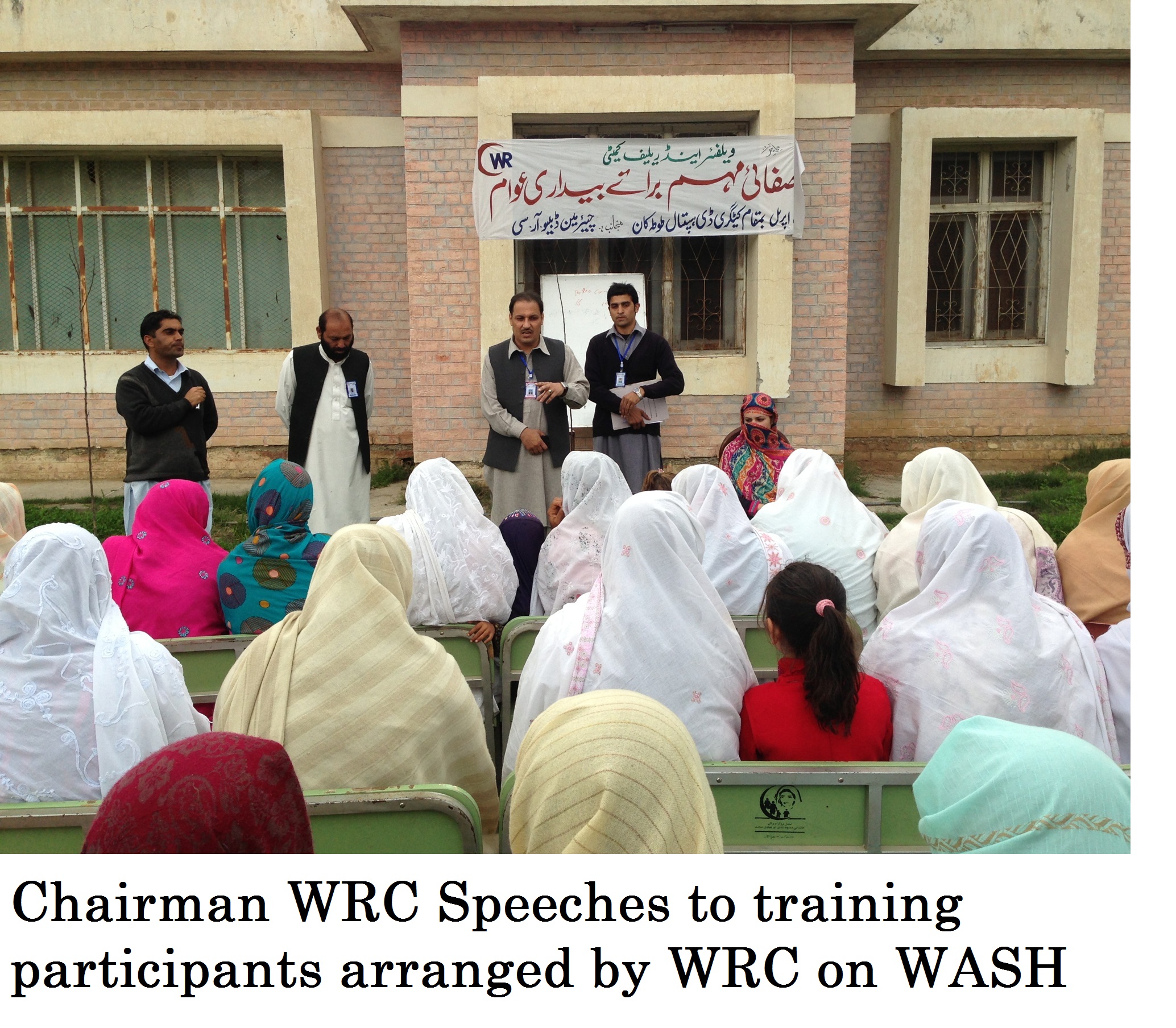
Before WRC installed the water well, my children walked 3km each day for water. Now they go to school instead. Our family's health has completely transformed.
Zainab Bibi
Community Beneficiary · Peshawar, KP
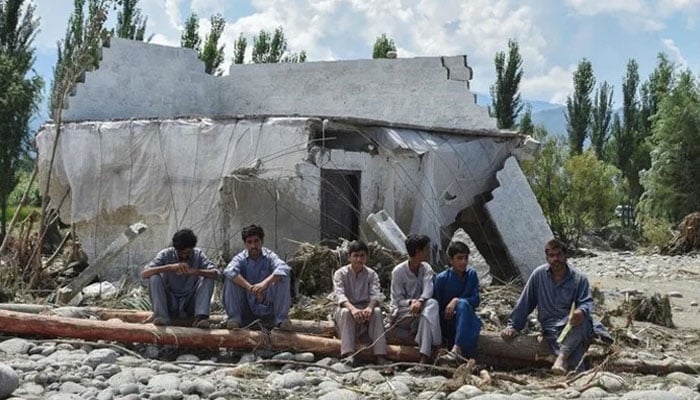
When the floods destroyed our crops, WRC food packs kept my family alive for three months. They didn't just bring food ?????? they brought hope back to our village.
Ahmed Khan
Farmer, Sindh · Sukkur, Sindh
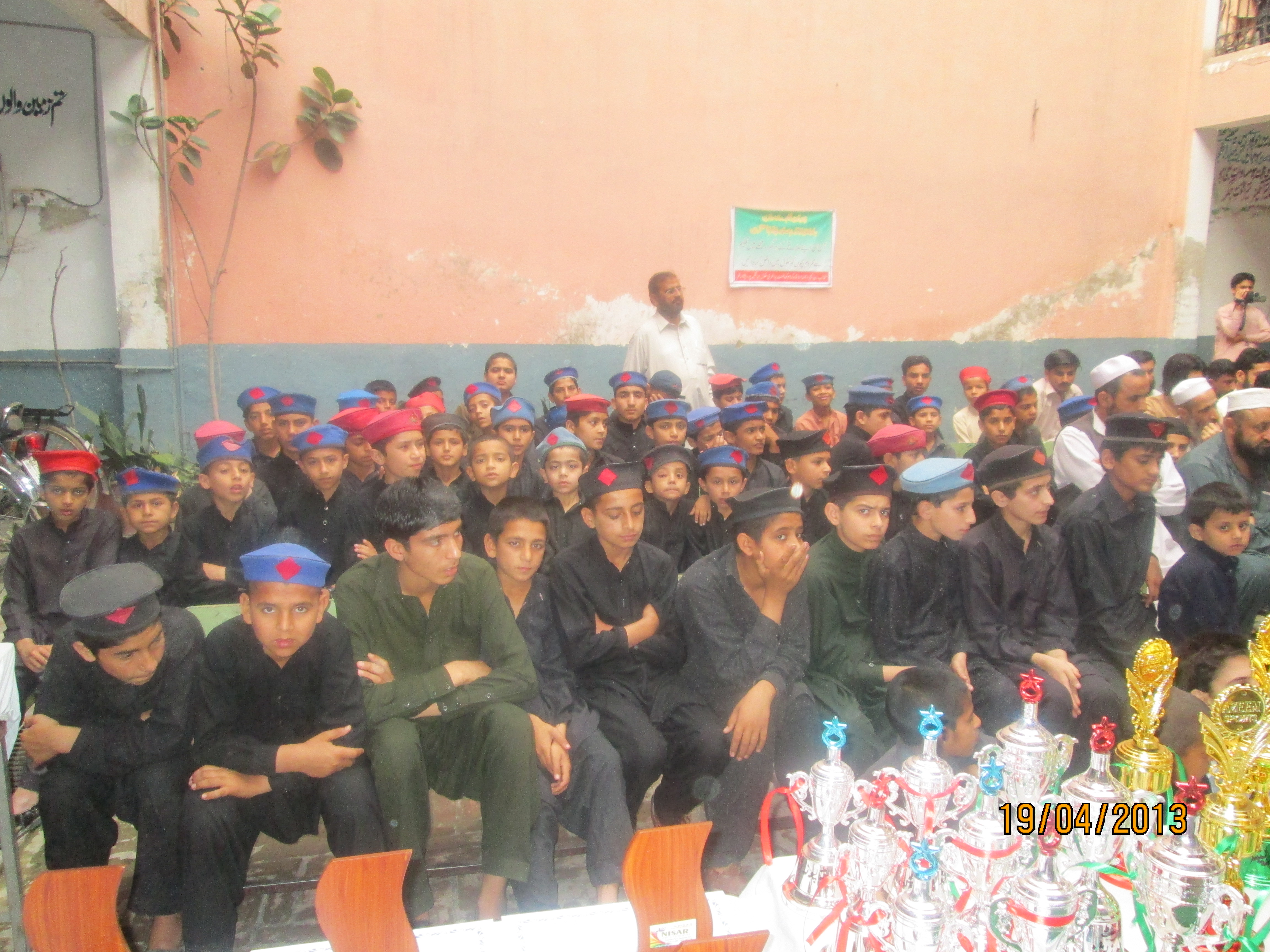
My daughter was about to drop out of school because we couldn't afford books. WRC gave her a complete kit and now she's top of her class. Education changes everything.
Fatima Noor
Mother of 3, Punjab · Lahore, Punjab
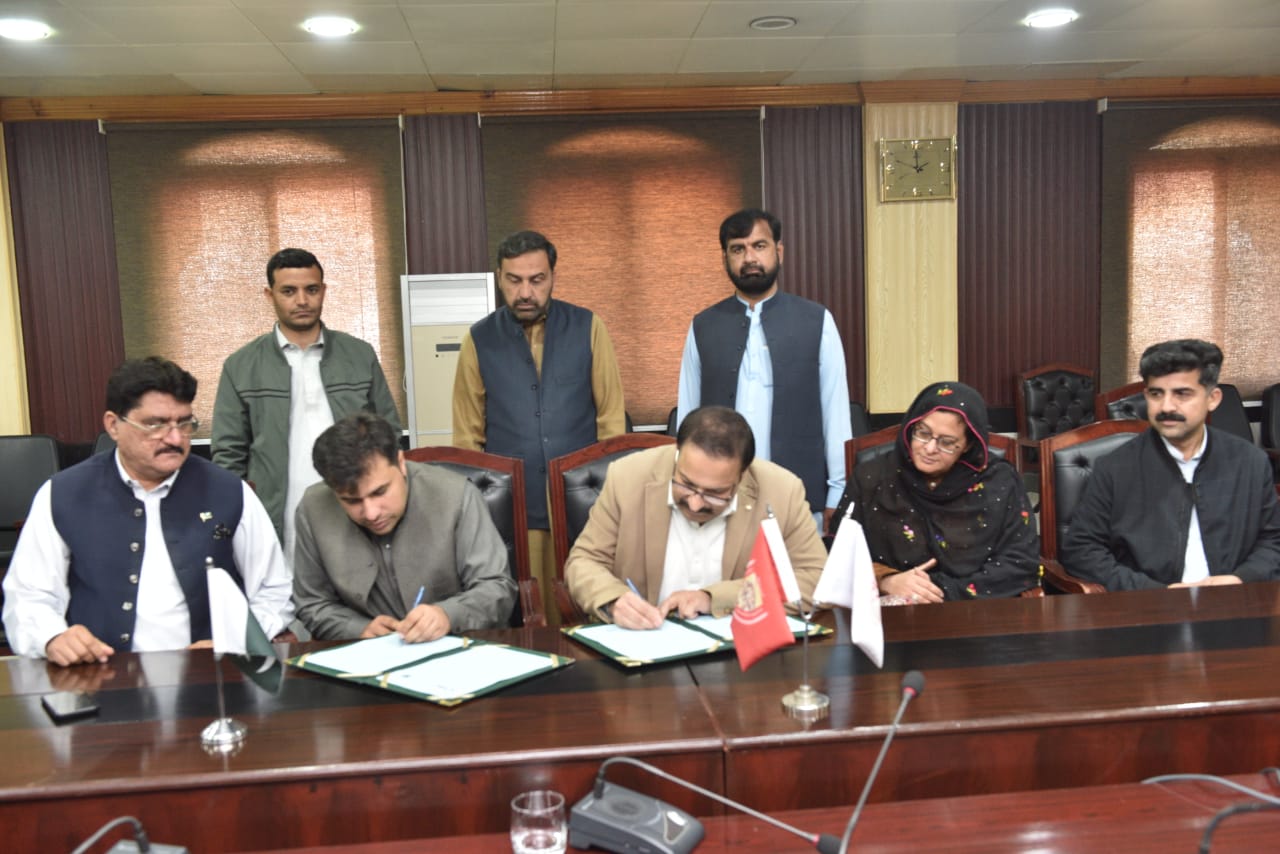
The Welfare & Relief Committee (WRC) has signed a Memorandum of Understanding (MoU) with Abdul Wali Khan University Mardan (AWKUM), marking an important milestone in strengthening institutional cooperation and promoting sustainable community development in Khyber Pakhtunkhwa.