A Strategic Partnership for Education, Digital Skills, Research and Community Development
This strategic collaboration represents an important step towards bringing together humanitarian experience, academic knowledge, digital skills, technical and vocational education, research capabilities, and community participation to address emerging social, educational, economic, and developmental needs.
Bridging the Gap Between Academia and Community Development
Universities play a vital role in producing knowledge, developing professional skills, encouraging innovation, and preparing young people for changing social and economic realities. Similarly, humanitarian and development organizations contribute through community engagement, development programmes, social mobilization, and institutional partnerships.
Through this partnership, WRC and AWKUM aim to encourage knowledge sharing, facilitate practical learning opportunities, promote research-based development interventions, and strengthen the relationship between educational institutions and development organizations.
Promoting Digital Skills and Technology-Based Learning
One of the important areas of this collaboration is the promotion of digital skills and technology-based learning, particularly among youth and students.
Potential areas of collaboration include:
- Information Technology and Computer Literacy
- Digital Marketing and E-Commerce
- Graphic Designing and Multimedia Skills
- Web Development and Programming
- Artificial Intelligence and Emerging Technologies
- Freelancing and Online Employment Opportunities
- Data Management and Digital Communication
- Entrepreneurship and Technology-Based Business Development
Such initiatives can help young people acquire market-oriented competencies, improve employability, explore self-employment opportunities, and participate effectively in the digital economy.
Strengthening Technical and Vocational Education and Training (TVET)
Technical and vocational education and training are essential for addressing unemployment, improving workforce productivity, and promoting economic empowerment.
Through institutional cooperation, WRC and AWKUM can explore opportunities to promote technical and vocational education, short-duration professional courses, skills certification, and employment-oriented training programmes.
Promoting Research, Innovation and Knowledge Sharing
Research and innovation are essential components of sustainable development. Evidence-based planning and reliable information help institutions understand community challenges and develop appropriate solutions.
Potential areas of research collaboration include:
- Socioeconomic Conditions and Community Development
- Youth Employment and Livelihood Opportunities
- Education and Digital Literacy
- Public Health and Community Healthcare Needs
- Women Empowerment and Gender-Inclusive Development
- Poverty Reduction and Social Protection
- Skills Development and Labour Market Requirements
- Entrepreneurship and Small Business Development
- Climate Resilience and Environmental Sustainability
- Monitoring, Evaluation and Impact Assessment
Youth Empowerment and Employment Opportunities
Youth empowerment remains one of the most important priorities for the socioeconomic development of Khyber Pakhtunkhwa.
Through this collaboration, WRC and AWKUM aim to explore initiatives that can help young people develop professional capabilities and improve access to employment and livelihood opportunities.
These initiatives may include career guidance, professional development sessions, entrepreneurship awareness, internship opportunities, practical training, workshops, seminars, and exposure to emerging employment sectors.
Women Empowerment and Inclusive Community Participation
Inclusive development requires equal opportunities for women, girls, persons with disabilities, and marginalized communities.
The partnership provides an opportunity to explore initiatives aimed at strengthening women's access to education, digital literacy, vocational training, entrepreneurship, and economic empowerment.
Potential activities may include women-focused digital skills training, home-based enterprise development, business management, financial literacy, vocational education, and awareness programmes.
Strengthening Community-Based Development and Humanitarian Initiatives
WRC has experience in humanitarian and community-oriented development initiatives, including institutional coordination, healthcare-related activities, training programmes, and engagement with development partners.
The partnership with AWKUM provides an opportunity to connect this practical experience with academic knowledge, research, professional expertise, and student participation.
Both institutions can explore collaboration in community awareness, social mobilization, public health education, educational support, capacity building, and development-oriented research.
Institutional Capacity Building and Professional Development
Strong institutions are essential for delivering effective and sustainable development programmes. The collaboration offers opportunities for institutional capacity building through professional training, knowledge exchange, technical workshops, and seminars.
- Project Planning and Management
- Monitoring, Evaluation, Accountability and Learning (MEAL)
- Research Methodologies and Data Analysis
- Digital Transformation and Information Management
- Leadership and Organizational Development
- Proposal Writing and Resource Mobilization
- Social Development and Community Engagement
Building Partnerships with Government and Development Partners
Sustainable development requires strong coordination among academic institutions, government departments, civil society organizations, development partners, and the private sector.
The WRC-AWKUM collaboration can provide a foundation for exploring broader institutional partnerships and joint initiatives that respond to regional development priorities.
A Shared Vision for Sustainable Development in Khyber Pakhtunkhwa
Khyber Pakhtunkhwa has significant potential for social and economic development, particularly through investment in education, youth development, technical skills, research, innovation, and community participation.
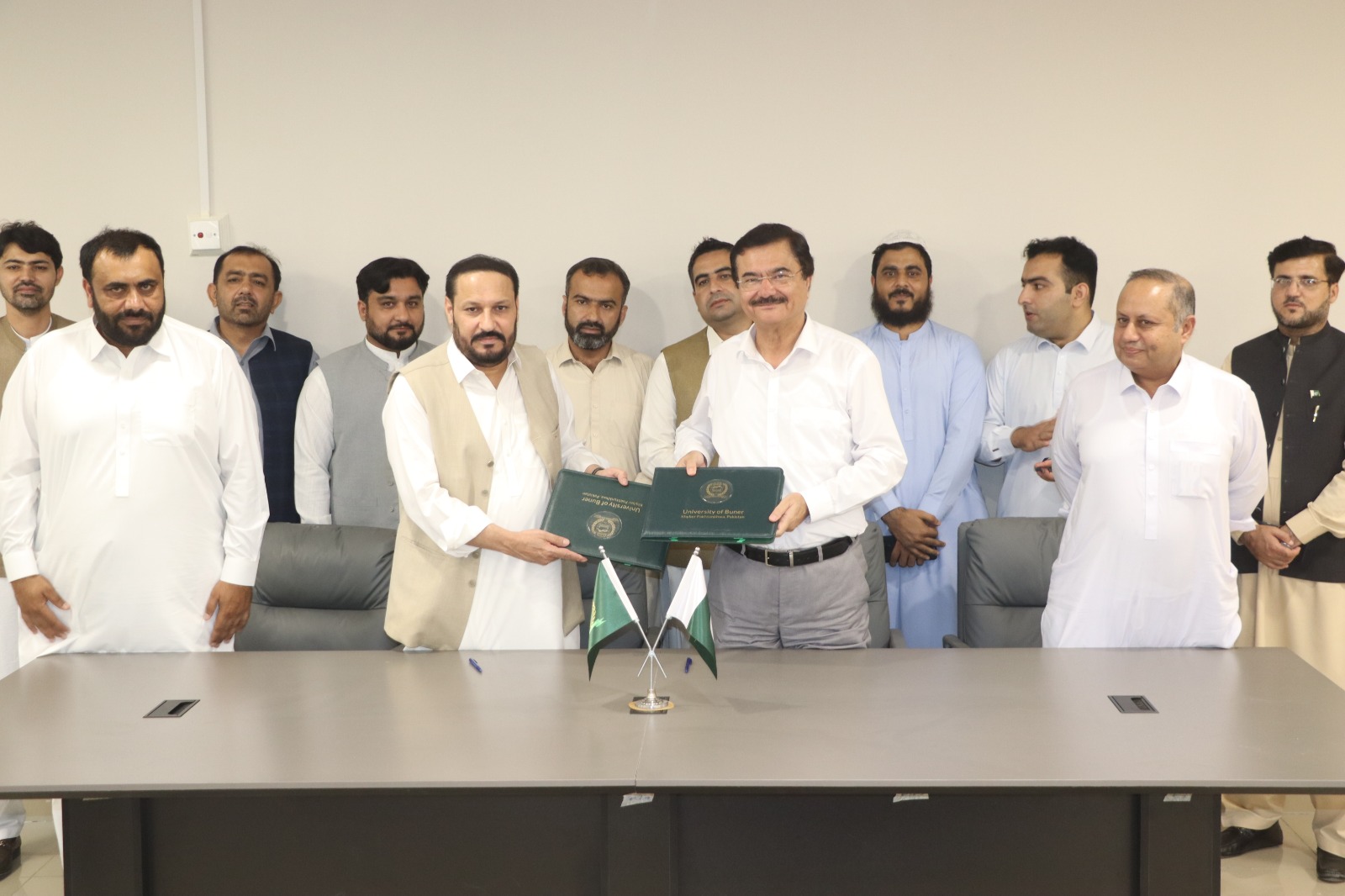
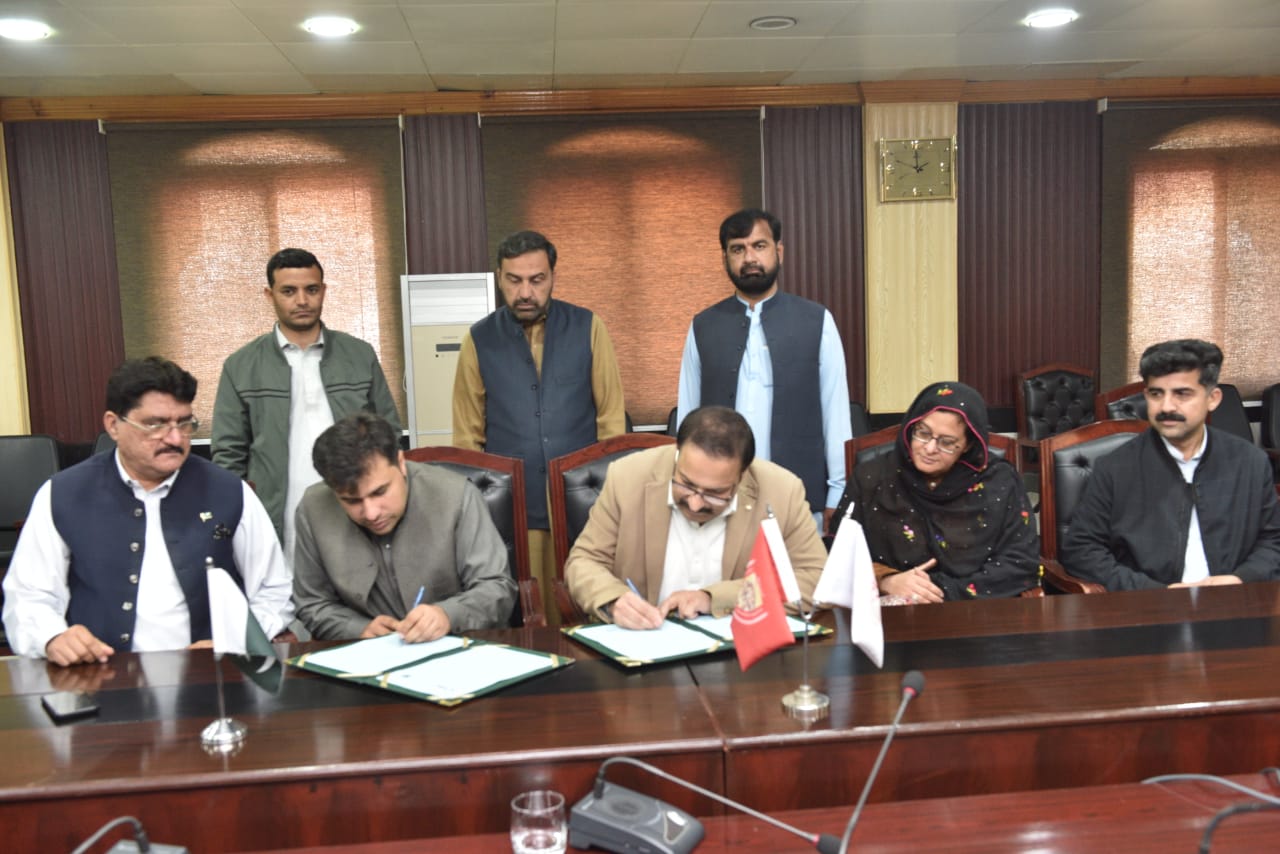
The signing of the MoU between WRC and AWKUM reflects a shared vision of strengthening cooperation between academia and the development sector.
Looking Ahead: Turning Institutional Commitment into Practical Action
The signing of the MoU marks the beginning of an important institutional relationship. Its long-term success will depend on effective coordination, mutual cooperation, practical implementation, and the development of activities that respond to clearly identified needs.
Moving forward, both institutions can work towards identifying priority areas, developing joint activity plans, organizing technical consultations, facilitating academic and professional engagement, and exploring opportunities for collaborative projects.
Conclusion: Working Together for a Better and More Empowered Society
The signing of the Memorandum of Understanding between Welfare & Relief Committee (WRC) and Abdul Wali Khan University Mardan (AWKUM) represents a meaningful step towards strengthening cooperation between humanitarian organizations and academic institutions.
This collaboration brings together two complementary strengths: the academic knowledge, research capabilities, and educational environment of a university, and the humanitarian experience, community engagement, and development-oriented approach of a civil society organization.
Together, both institutions have an opportunity to contribute to digital skills development, technical and vocational education, youth empowerment, research and innovation, women's economic participation, institutional capacity building, and community development.
Welfare & Relief Committee and Abdul Wali Khan University Mardan reaffirm the importance of institutional collaboration and a shared commitment to empowering youth, strengthening communities, promoting knowledge, and contributing to a more inclusive, skilled, and sustainable future for Khyber Pakhtunkhwa.
Together for Knowledge, Skills, Innovation and Sustainable Community Development.
Welfare & Relief Committee (WRC)
Abdul Wali Khan University Mardan (AWKUM)
Hashtags: #WRC #AWKUM #InstitutionalCollaboration #MoUSigning #YouthEmpowerment #DigitalSkills #SkillDevelopment #ResearchAndInnovation #CommunityDevelopment #KhyberPakhtunkhwa #SustainableDevelopment